Stormwater & Land Management Insights for South Carolina and North Carolina Property Owners
Carolina Outdoor Services covers the topics that keep commercial properties compliant, functional, and built to last. From retention pond inspections and stormwater BMP maintenance to forestry mulching and sustainable land management — if it affects your property's drainage and long-term health, you'll find practical answers here. We serve property managers, HOAs, developers, and municipalities across the Midlands and Upstate of South Carolina and into North Carolina. Every post is written from field experience — not theory.
Stormwater & Land Management Insights for South Carolina and North Carolina Property Owners
Carolina Outdoor Services covers the topics that keep commercial properties compliant, functional, and built to last. From retention pond inspections and stormwater BMP maintenance to forestry mulching and sustainable land management — if it affects your property's drainage and long-term health, you'll find practical answers here. We serve property managers, HOAs, developers, and municipalities across the Midlands and Upstate of South Carolina and into North Carolina. Every post is written from field experience — not theory.
Stormwater & Land Management Insights for South Carolina and North Carolina Property Owners
Carolina Outdoor Services covers the topics that keep commercial properties compliant, functional, and built to last. From retention pond inspections and stormwater BMP maintenance to forestry mulching and sustainable land management — if it affects your property's drainage and long-term health, you'll find practical answers here. We serve property managers, HOAs, developers, and municipalities across the Midlands and Upstate of South Carolina and into North Carolina. Every post is written from field experience — not theory.
LET'S TALK ABOUT YOUR PROPERTY
Fill out the form below or give us a call.
We'll get back to you fast.
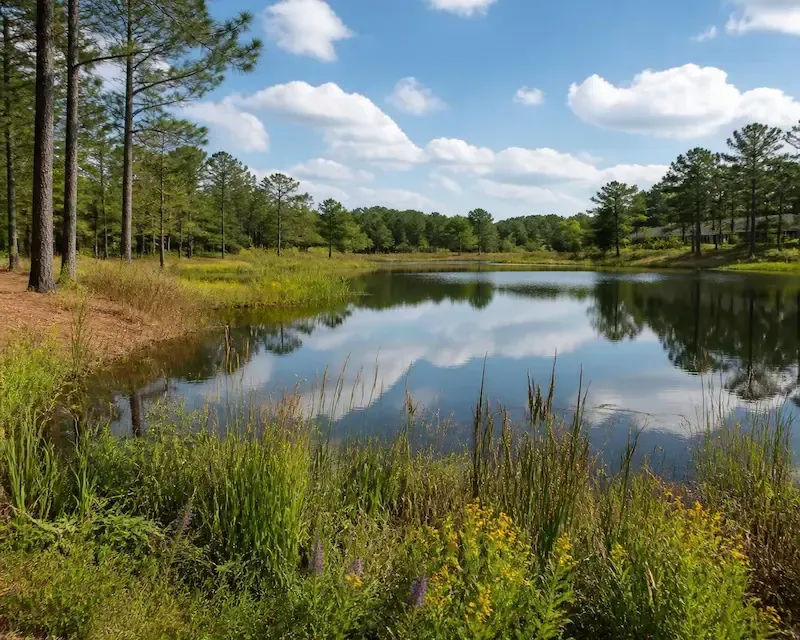
Signs Your Retention Pond Needs Repairs (Before It Becomes an Emergency)
Retention ponds are designed to be durable — but they're not maintenance-free. Every stormwater pond will eventually show signs of wear. The difference between a manageable repair and a major structural failure almost always comes down to one thing: how early the problem was caught.
The challenge is that most retention pond problems develop slowly and quietly. They don't announce themselves with obvious failures. By the time a pond looks visibly wrong, the underlying issue has usually been developing for months — sometimes years.
Here are eight specific warning signs that your retention pond needs professional attention. If you're seeing any of these, the time to act is now — before the issue escalates.
1. Erosion on the Pond Bank or Berm
The most visible early warning sign. Erosion on a pond bank typically appears as bare soil exposure, shallow channels or rills running down the slope, or sparse, patchy vegetation on what should be a fully vegetated surface.
Erosion doesn't stay small. Once soil begins moving, water carves a path, and the erosion accelerates with every rain event. A small bare spot today becomes a significant slope failure in one or two seasons. Erosion Repair caught early is relatively inexpensive. Slope failure is not.
What to watch for: bare soil on slopes, visible drainage channels in the bank, areas where vegetation won't establish or keeps dying back.
2. Visible Sediment Buildup in the Forebay or Main Pool
Every retention pond collects sediment over time — that's part of how they work. But when sediment buildup becomes visible, it's a sign the pond has accumulated more than its design capacity intended, and storage capacity is being reduced.
You'll notice it as shoaling — shallow, muddy areas near the inlet where sediment is depositing rapidly — or as a general shallowing of the forebay section. In more advanced cases, you may see vegetation establishing in areas that should be open water.
Unchecked sediment accumulation reduces the pond's ability to treat stormwater and increases flooding risk during high-intensity storms. It also becomes significantly more expensive to address the longer it's left.
3. Blocked or Partially Obstructed Outlet Structure
The outlet structure controls water flow out of the pond and is one of the most functionally critical components of a stormwater system. Debris — leaves, sticks, sediment, trash — can accumulate against the trash rack or inlet grate and reduce flow capacity.
Warning signs include: water levels staying consistently higher than normal after rain events, visible debris accumulation on the outlet structure, slow drawdown after storms, or any signs of structural damage to the riser, barrel, or endwall.
A partially blocked outlet can cause the pond to hold more water than designed — increasing pressure on the embankment and raising the risk of overtopping during large storm events.
4. Soft Spots or Depressions on the Embankment
This is one of the most urgent warning signs. Soft, spongy, or depressed areas on the top of the pond embankment — especially areas that weren't soft before — are a potential sign of internal seepage, piping, or settlement within the berm structure itself.
Embankment integrity is the structural foundation of your retention pond. Any compromise to that structure can lead to catastrophic failure. If you notice unusual softness underfoot when walking the berm, or depressions forming on what should be a level surface, stop using the area and call a professional immediately.
5. Algae Blooms
An occasional algae bloom isn't automatically a sign of a failing pond — but persistent, recurring, or severe blooms are a signal worth investigating. Algae blooms typically indicate elevated nutrient loading in the pond, which is often caused by reduced treatment capacity from sediment accumulation, failing vegetation, or increased runoff from the contributing drainage area.
Heavy algae growth can also deplete oxygen in the water column, creating additional water quality issues and sometimes triggering regulatory attention if the pond discharges to a sensitive waterway.
6. Invasive or Overgrown Vegetation
Pond banks should be covered with low-growing, managed vegetation — typically native grasses or groundcover appropriate for wet conditions. When aggressive or invasive species take over, they create problems beyond aesthetics.
Invasive vegetation like phragmites, Chinese tallow, kudzu, or privet can destabilize pond banks, clog the inlet/outlet area, and prevent you from seeing the pond surface and embankment during routine inspections. Uncontrolled vegetation also makes it harder to identify other warning signs before they escalate.
Regular vegetation management prevents these species from establishing in the first place — and is far less expensive than full removal once they've taken hold.
7. Standing Water or Seeping Water Where It Shouldn't Be
Water appearing on the downstream face of your pond embankment — or seeping out of the slope below the normal water line — is a red flag that demands immediate attention. This can indicate seepage through the embankment, a compromised outlet pipe, or erosion around underground infrastructure.
Similarly, standing water or saturated soil on top of the embankment when it hasn't recently rained is worth investigating. Any unexpected water movement through or around the dam structure should be evaluated by a professional as quickly as possible.
8. Changes in Normal Water Level
Get to know your pond's typical water level range. If the pond is consistently higher than normal between storms, it may indicate a drainage or outlet obstruction. If it's consistently lower than expected, there may be a seepage issue or a compromised pond liner.
Significant, unexplained changes in water level — especially when paired with any of the other signs on this list — warrant a professional stormwater inspection.
What to Do When You See These Signs
Don't wait to see if the problem resolves on its own — it won't. Retention pond problems worsen with every storm cycle, and the cost of repair increases with every month of delay.
At Carolina Outdoor Services, we offer professional repair assessments for commercial and industrial stormwater systems across South Carolina and North Carolina. We'll tell you exactly what's happening, what needs to be addressed, and what it will take to bring your pond back into good working condition — before a small issue becomes a major structural repair.
📞(803) 518-2787 Monday – Friday, 7 AM–5 PM
Schedule Your Free Repair Assessment →
Serving commercial and industrial properties throughout SC & NC including Lexington, Columbia, Aiken, Greenville, Spartanburg, and beyond.
Carolina Outdoor Services LLC | cosstormwater.com | Gilbert, SC
CONTACT INFO
Monday - Friday: 7:00 AM - 5:00 PM
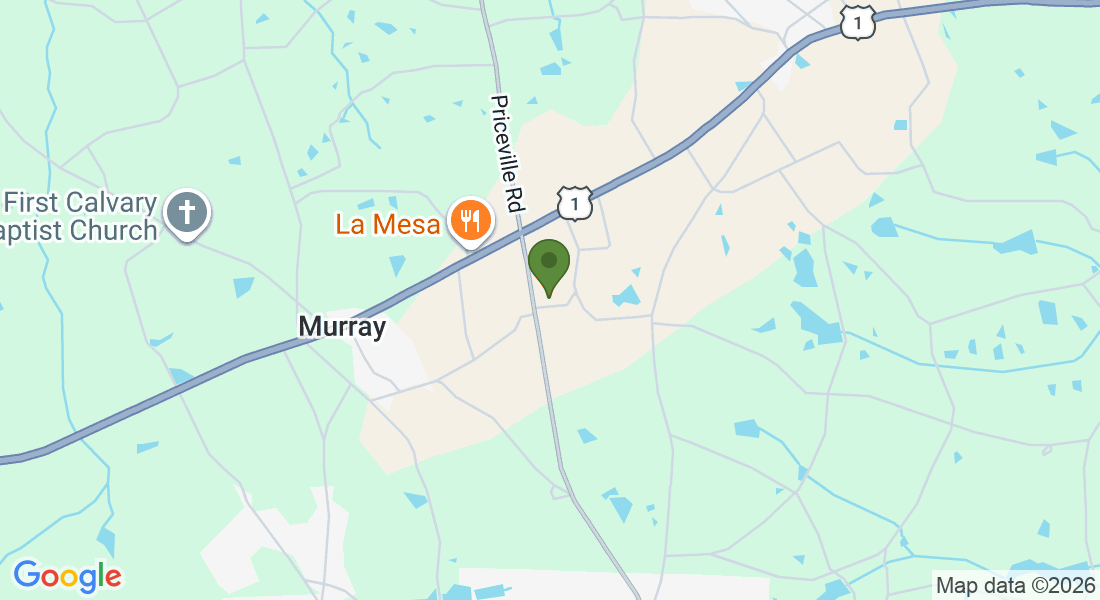
1318 Peach Festival Road Gilbert, SC 29054
FAQs
What services does Carolina Outdoor Services provide?
We specialize in retention pond inspections and maintenance throughout South Carolina and North Carolina. Additionally, we offer industrial grounds maintenance and cutting services.
Why are retention pond inspections and maintenance important?
Retention ponds are crucial for managing stormwater runoff and preventing flooding. Regular inspections and maintenance ensure they function properly, comply with local regulations, and protect the environment.
Do you offer emergency services?
Yes, we provide emergency services for urgent issues such as flooding, storm damage, or hazardous conditions. Please contact us immediately if you require emergency assistance at (803) 518-2787.
Stormwater Management You Can Count On.
CONTACT INFO
Carolina Outdoor Services LLC
1318 Peach Festival Road
Gilbert, SC 29054
(803) 518-2787
Monday - Friday: 7 AM – 5 PM
FOLLOW US


© 2026 Carolina Outdoor Services, LLC | All Rights Reserved | Privacy Policy